



Sale!

Autumn Garden Combo – 10 Cool-Season Vegetable & Herb Seed Varieties

Original price was: ₹ 149.00.Current price is: ₹ 99.00.

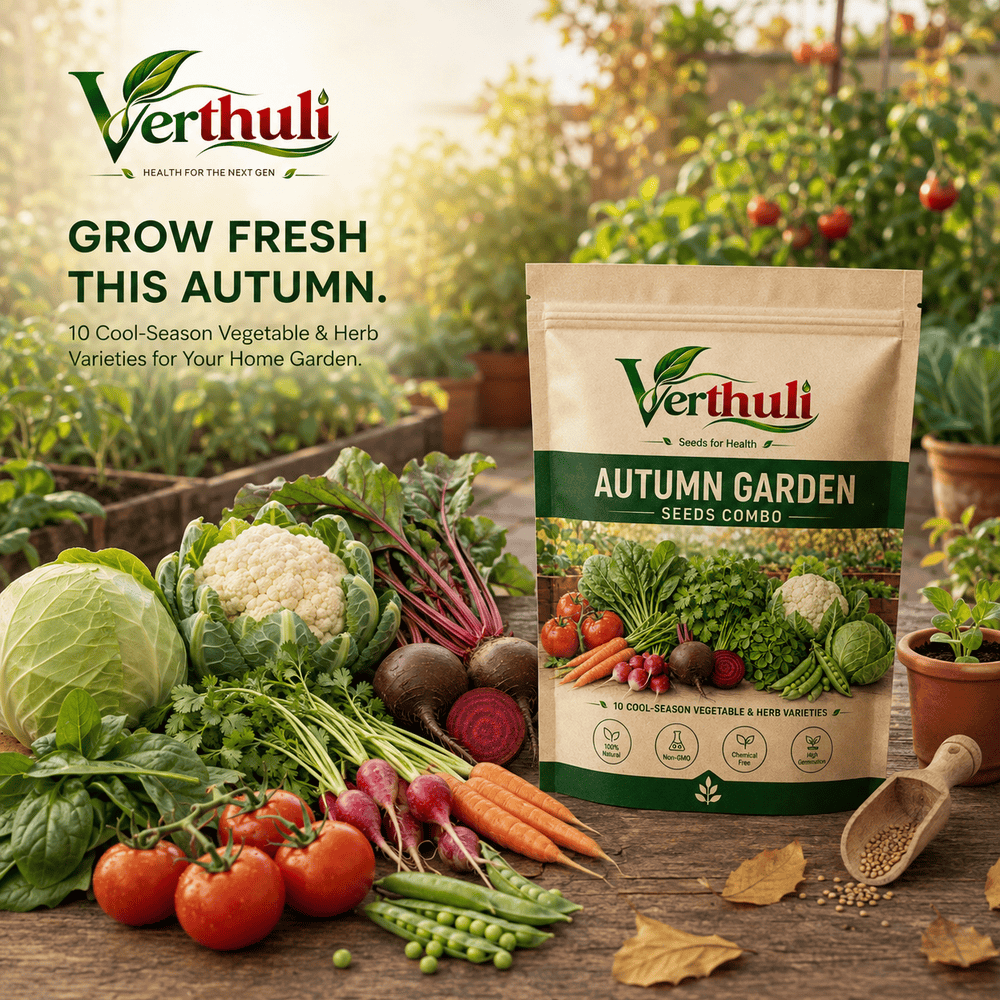
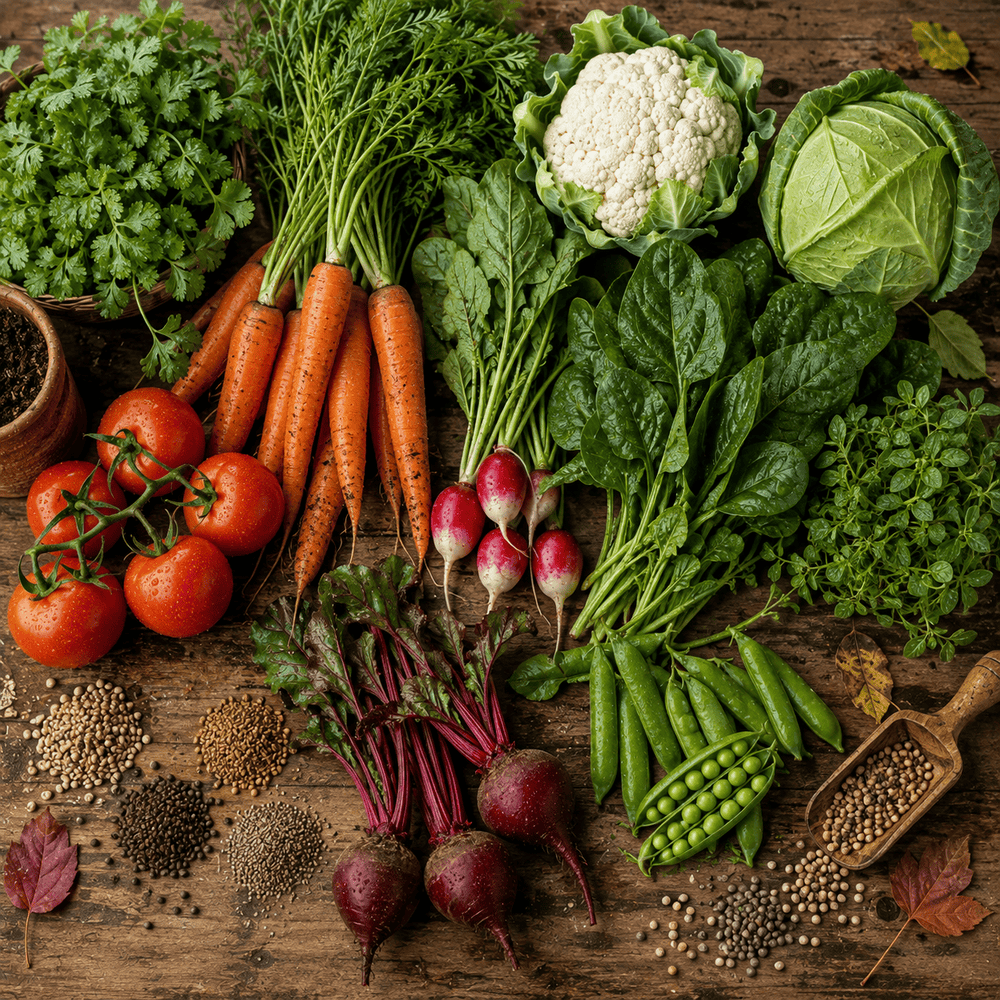
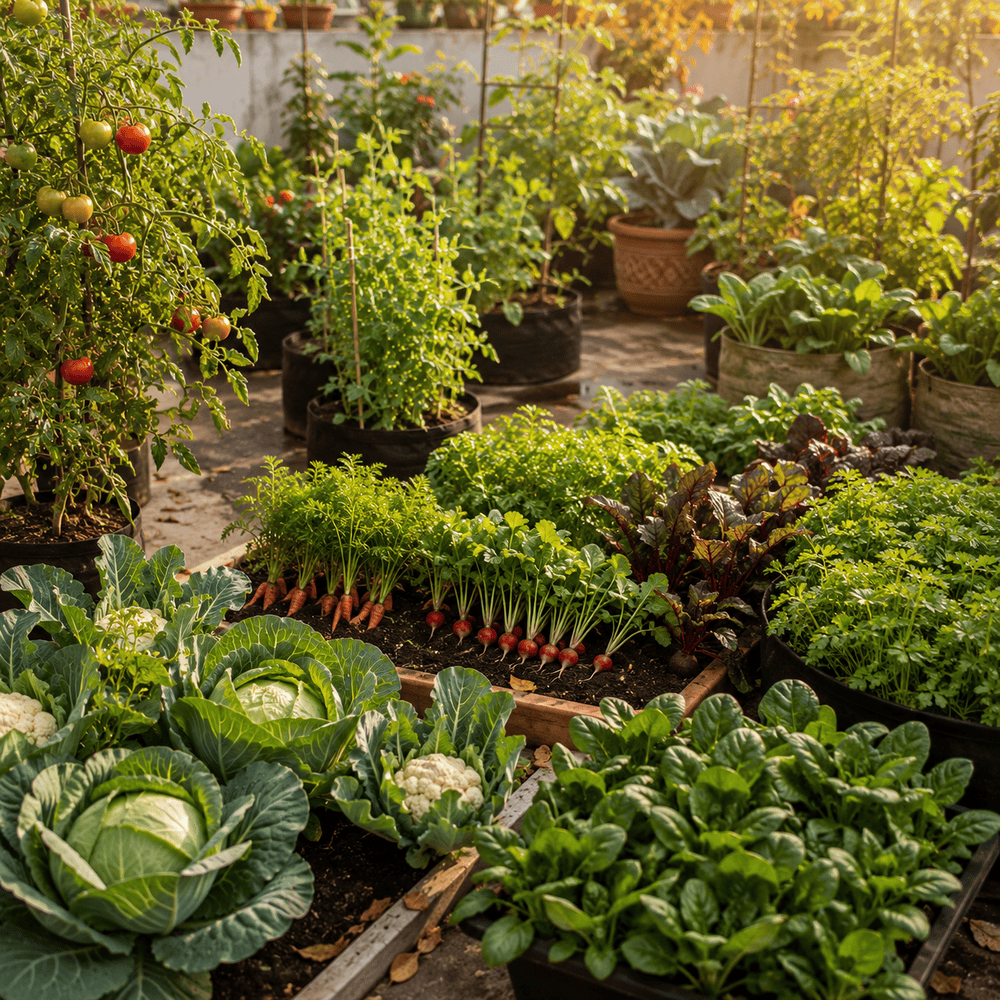
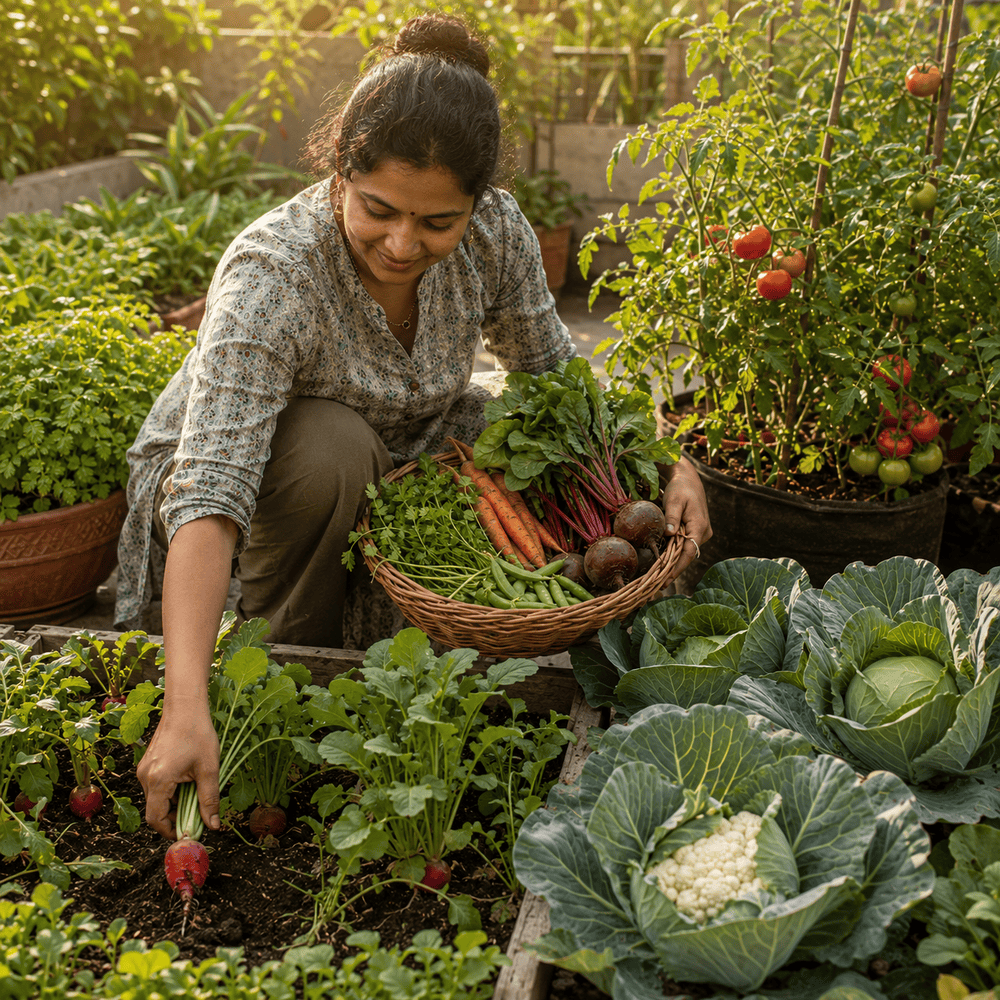
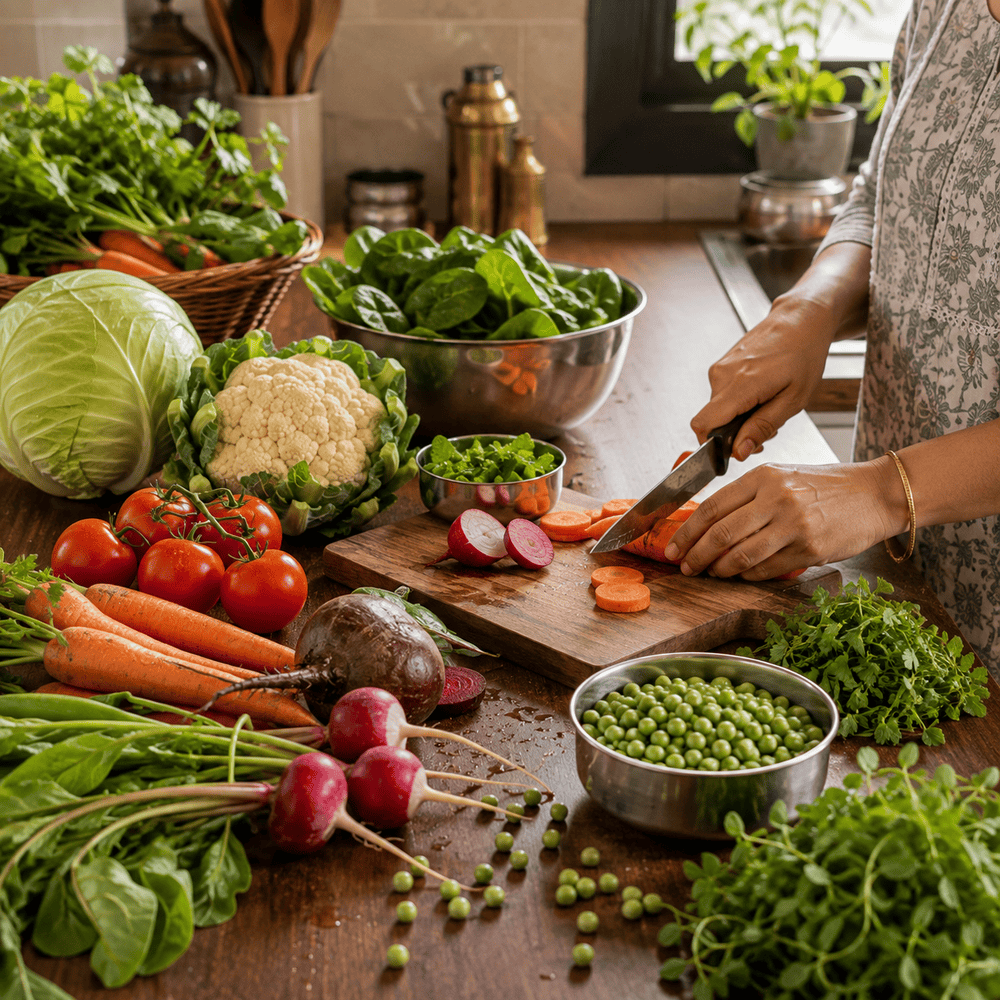
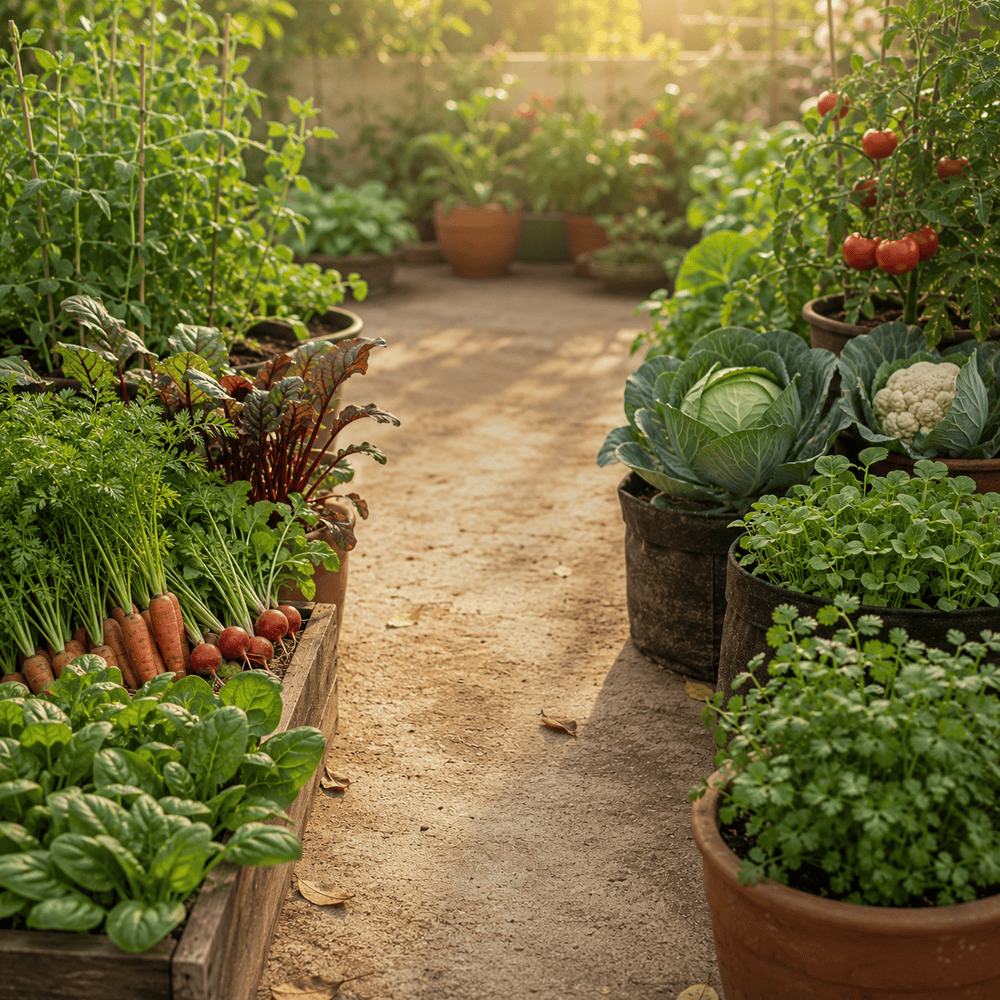
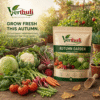
Welcome the milder growing season with VERTHULI’s Autumn Garden Combo, a thoughtfully selected collection of 10 vegetable, leafy green and herb seed varieties for Indian home gardeners. The combo includes Tomato, Carrot, Radish, Beetroot, Spinach, Coriander, Fenugreek, Peas, Cauliflower and Cabbage, bringing together root vegetables, leafy greens, herbs, legumes and cool-season vegetables for a varied home garden.

Description

Welcome the milder growing season with VERTHULI’s Autumn Garden Combo, a thoughtfully selected collection of 10 vegetable, leafy green and herb seed varieties for Indian home gardeners. The combo includes Tomato, Carrot, Radish, Beetroot, Spinach, Coriander, Fenugreek, Peas, Cauliflower and Cabbage, bringing together root vegetables, leafy greens, herbs, legumes and cool-season vegetables for a varied home garden.

Ideal for home gardens, balconies, terraces, grow bags, pots and suitable garden beds, this collection is designed for gardeners looking to make productive use of the cooler transition period. Autumn conditions can provide a comfortable growing environment for many leafy greens, roots and cool-season crops, while local climate and sowing timing remain important. With fertile soil, suitable containers, good sunlight and regular care, you can grow a fresh seasonal garden at home — true to VERTHULI’s promise of Seeds for Health.

Seeds Included:

  1. Tomato
  2. Carrot
  3. Radish
  4. Beetroot
  5. Spinach
  6. Coriander
  7. Fenugreek
  8. Peas
  9. Cauliflower
  10. Cabbage

Additional information

Combo Type

10-variety Autumn / Cool-Season Garden Seed Combo

Seed Form

Natural seeds; individual seed type may vary by variety

Suitable For

Home Gardens, Balconies, Terraces, Grow Bags, Pots and Garden Beds

Growing Space

Small-to-medium home and terrace growing spaces

Target User

Beginners, home gardeners and seasonal gardening enthusiasts

Climate

Cooler autumn growing period; actual sowing window varies with local Indian climate

Harvest

Varies by seed variety and growing conditions

Sunlight

Most crops benefit from good natural sunlight; requirements vary by variety

Water Requirement

Carrot, Radish and Beetroot need loose, sufficiently deep soil for root development

Support Requirement

Direct sowing and transplanting depending on individual crop

Origin

Locally sourced

Shelf Life

12 months from packing (store in a cool, dry place)

  1. Choose the Growing Area: Select a bright area with good airflow and access to water. Cooler autumn weather can be favorable for many seasonal crops, but local temperature and humidity should guide sowing and placement.
  2. Container Selection: Use pots, planters and grow bags according to crop size. Root crops such as carrot, radish and beetroot need adequate soil depth, while cabbage and cauliflower require enough space for their broad foliage.
  3. Soil Preparation: Use loose, fertile, well-draining soil enriched with compost or well-rotted organic manure. Root crops especially benefit from soil free of large stones and compacted clumps.
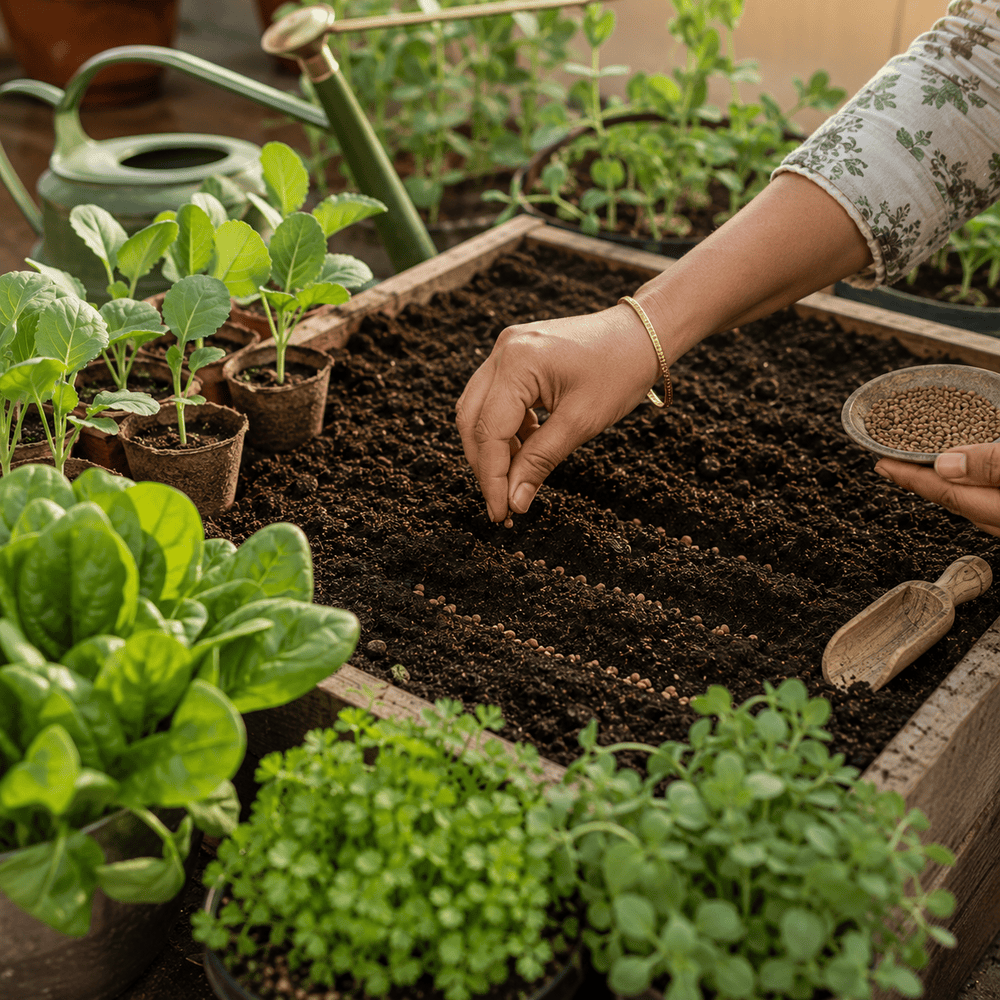
  4. Sowing: Sowing depth varies by crop. Sow root and leafy crops at appropriate depths and transplant suitable seedlings carefully. Follow each crop’s recommended spacing rather than using one depth for all seeds.
  5. Spacing: Give cabbage, cauliflower and tomato enough room for airflow and full plant development. Thin crowded carrot, radish, beetroot and leafy-green seedlings to reduce competition.
  6. Watering: Keep newly sown seeds evenly moist until germination. Once established, water according to soil moisture, crop requirement, weather and container size. Avoid prolonged waterlogging.
  7. Sunlight: Provide good natural sunlight to support healthy growth. If temperatures remain warm in your region, monitor cool-season crops and avoid placing containers where they receive excessive heat.
  8. Root Crop Care: Keep the soil loose and avoid disturbing developing roots. Do not allow the root zone to become compacted, as this can affect the shape and development of carrot, radish and beetroot.
  9. Transplanting: Cabbage and cauliflower can be started in nursery trays and transplanted carefully once seedlings are sufficiently established. Handle roots gently and water after transplanting.
  10. Fertilizing: Add compost or suitable organic fertilizer periodically to support leafy growth, root development and vegetable formation. Avoid excessive nitrogen if you want balanced growth.
  11. Pest Management: Inspect leaves regularly for caterpillars, aphids and other common garden pests, particularly on cabbage, cauliflower and leafy greens. Remove affected material where practical and use suitable neem-based garden sprays as an appropriate natural management option.
  12. Harvesting: Harvest leafy greens and herbs regularly. Pull root crops once they have reached a suitable size, and harvest peas, cauliflower, cabbage and tomatoes according to their individual maturity stages.
  13. Autumn Garden Tip: Use the milder weather to establish leafy greens and root crops, keep containers evenly moist and provide enough spacing for cool-season vegetables to develop properly.

FAQ

1. What seeds are included in the Autumn Garden Combo?
The combo includes Tomato, Carrot, Radish, Beetroot, Spinach, Coriander, Fenugreek, Peas, Cauliflower and Cabbage seeds.
The collection focuses on vegetables, leafy greens, herbs and cool-season crops that can be useful during the milder autumn growing period, subject to local Indian climate.
Yes. Most varieties can be grown in suitable containers. Root crops need sufficient soil depth, while cabbage and cauliflower require wider growing space.
Carrot, Radish and Beetroot are root crops and need loose, sufficiently deep soil for proper root development.
Yes. Use appropriately sized containers with fertile soil, good drainage and sufficient spacing for their broad foliage.
Yes. The combo is intended for beginners as well as experienced home gardeners, provided each crop receives suitable soil, space, light, water and care.
No. Individual crops have different sowing windows and growing requirements. Plan sowing according to each crop and your local climate.
Most crops benefit from good natural sunlight, although exact requirements vary. In warmer regions, monitor cool-season crops for excessive heat exposure.
Use loose, stone-free soil with enough depth, maintain suitable spacing and keep the root zone evenly moist without prolonged waterlogging.
Store unused seeds in a cool, dry, airtight container away from direct sunlight and moisture. Follow the packing information for shelf-life guidance.

Related Products